 CRO Audit
httpbin.org
Audit performed March 19, 2026 · Report version 2.0 · 21 CRO suggestions identified
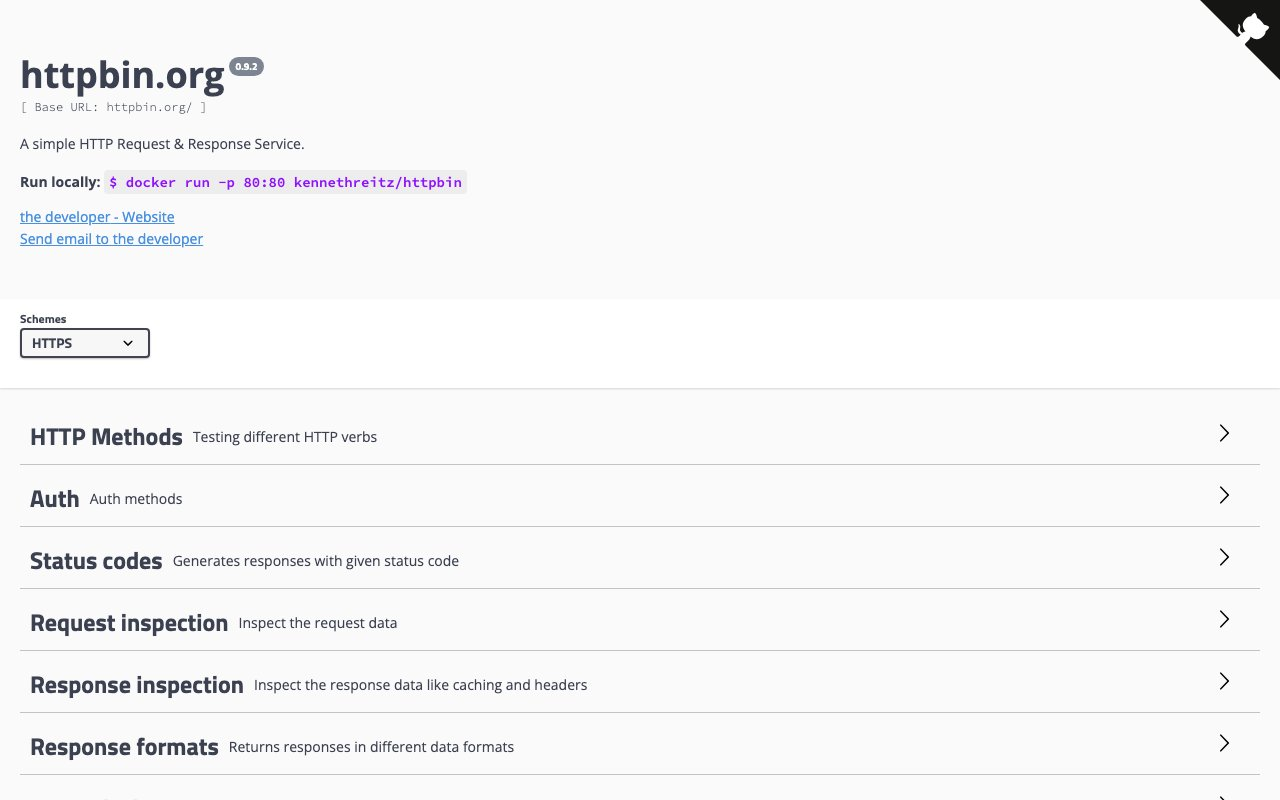
The homepage provides little clarity on the unique value proposition. The simple description of the service as an 'HTTP Request & Response Service' lacks specifics that differentiate it from potential competitors. This can result in visitors leaving due to the absence of a compelling reason to engage further, reducing the overall conversion potential.
The primary CTA is difficult to discern, with instructions like 'Run locally' appearing as part of instructional text rather than actionable prompts. A weak CTA reduces the motivation to engage, leading to significantly lower conversion rates as prospects may not know the next step to take on the website to start their trial or demo.
The site lacks social proof, client logos, testimonials, or any credibility indicators. This absence may cause concern about the legitimacy or effectiveness of the service, particularly in a B2B context where decision-makers seek reassurance and verification of reliability before engaging.
The navigation lacks distinctive pathways to core conversion pages such as trial or demo sign-ups. With the main navigation offering only HTTP function tests, users may find themselves confused about how to progress toward valuable engagement, thus degrading the overall user engagement experience.
There is no clear messaging directed at specific industry verticals or user personas. A generic presentation does not effectively address varying needs, reducing its appeal to target segments who may require tailored solutions. This limits the potential lead quality and increases the risk of attracting users who do not fit the ideal customer profile.
Want to unlock the full CRO report?
Get access to all recommendations, benchmarks, and experiment ideas.
- All 21 prioritised CRO suggestions with experiment ideas
- Industry benchmarks for your category & traffic level
- Discoverability (SEO + GEO) full audit results
- A/B test hypotheses ready to implement
- Personalised session with a CRO specialist
⚠️ Important Note
This audit is based on an automated and heuristic-based analysis of publicly accessible pages. The evaluation follows industry best practices across conversion rate optimization (CRO), usability, analytics, and discoverability.
The findings presented here are directional and indicative in nature. They do not take into account internal data such as revenue performance, customer lifetime value, traffic quality, seasonality, or proprietary testing.
Recommendations should be interpreted as optimization opportunities rather than absolute assessments. Actual impact may vary depending on audience composition, acquisition channels, and business context. This report is not exhaustive and should be used as a starting point for further analysis and experimentation.