Introduction
Corey Rice, Director of Strategy at KORTX, shares how audience research shapes media plans across programmatic advertising, paid search, and paid social. He explains why understanding audience habits should guide channel selection, and how relevant marketing case studies help prospects connect their challenges with proven campaign outcomes.
Discover how his team uses AI-assisted research to handle tight proposal deadlines while keeping human judgment central to interpreting and presenting insights. Corey also discusses supporting agencies, brands, and franchise systems with different marketing needs. For marketers and business leaders, this episode offers practical lessons in research-led strategy, building trust through evidence, and choosing partners who collaborate and challenge your thinking.


Increase +180% conversions from your website with AI
Get more conversions from your existing traffic by delivering personalized experiences in real time.
- Adapt your website to each visitor’s intent automatically
- Increase conversions without redesigns or dev work
- Turn anonymous traffic into revenue at scale
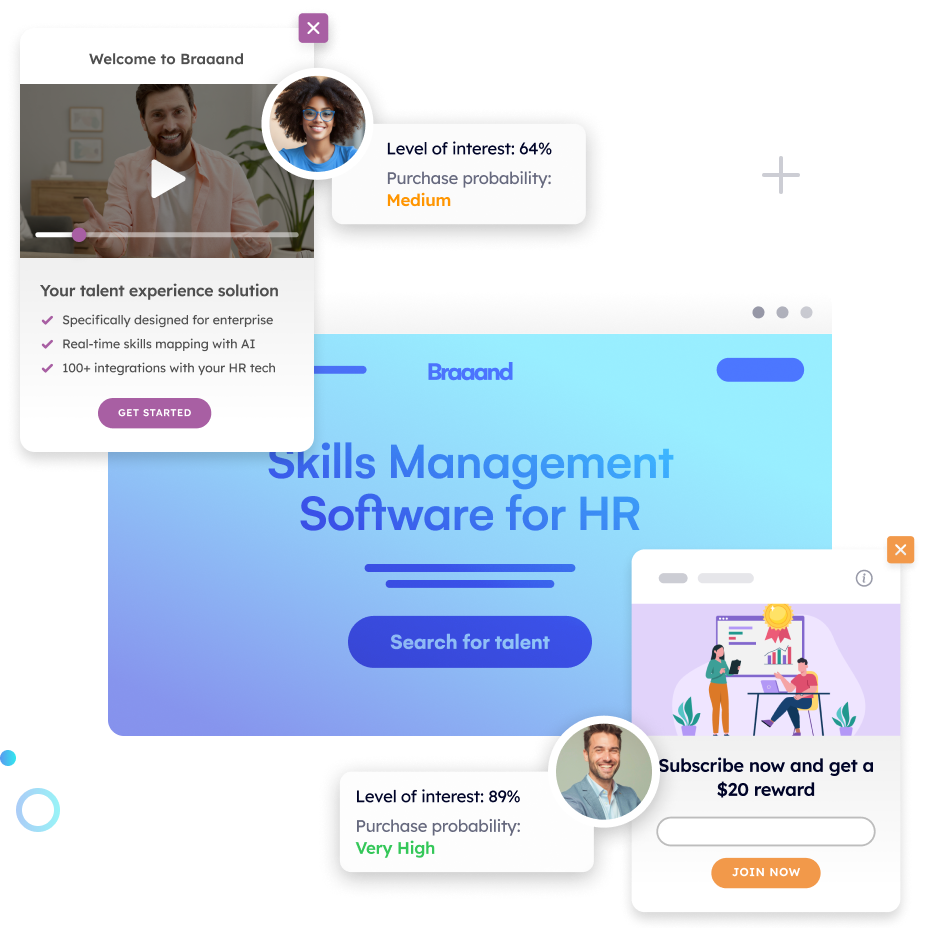
RICK: Pathmonk is the AI for website conversions. With increasing online competition, over 98% of website visitors don’t convert. The ability to successfully show your value proposition and support visitors in the buying journey separates you from the competition online. Pathmonk qualifies and converts leads on your website by figuring out where they are in the buying journey and influencing them in key decision moments with relevant micro experiences like case studies, intro videos, and much more.
Stay relevant to your visitors and increase conversions by 50% by adding Pathmonk to your website in seconds, by letting the AI do all the work, and increase conversions while you keep doing marketing as usual. Check us out on pathmonk.com. Hey, everybody, welcome back to Pathmonk Presents. Today we’re joined by Corey Rice.
He’s the Director of Strategy at KORTX. Corey, welcome to the show.
COREY RICE: Hey, Rick. Thanks for having me.
RICK: Glad to have you, Corey. let’s start with the basics maybe, if th- that’s okay with you. Let’s talk about KORTX, what you guys are all about, what’s the heart of what your company does, and if you were to explain to someone new, how would you describe what you do?
COREY RICE: Yeah, for sure. KORTX, we’re a digital marketing firm. We’re based just outside of Detroit, Michigan. we were founded in 2014, so just, came up on just past 10 years of being in the industry. we are, best way to explain it is we’re a managed service digital marketing, so we provide, hands-on-keyboards campaign management, primarily across, programmatic media.
This is really our sweet spot, and we’ve done a lot of growth as well in, paid search and paid social. we’re in three primary ecosystems, across the digital media landscape. And yes, that’s really our sweet spot is being able to work with clients in, a lot of different ways to help them with digital marketing.
RICK: Sweet. And congrats on, on the anniversary, by the way. 12 years, in the making, right? So that’s, that speaks to the, to, to the quality o- of your work because y- you’re not around for that long if you’re not doing something right. So- Yeah, it’s, been- … congratulations … fun to watch the
COREY RICE: growth.
RICK: Of course. I’m sure. I’m sure. Now, you mentioned, briefly, what kind of people you work with, what kind of companies. Now, if we could get into that for a second, maybe just double-click, let’s say, on, on the type of client, your ICP, if you wanna, keep it in the marketing lingo.
who’s your ICP? What kind of companies or businesses or industries even you like to work with and, you tend to work with more, if, any, right? And, what kind of problems do you help them solve when they come to you?
COREY RICE: Yeah. So it’s actually changed a lot, Rick, over the last few years.
primarily our, our client base is typically, mid-sized agencies, all over the company. I’ll say, agencies that are anywhere from 25 to 50, maybe 100 folks, but don’t necessarily have the resources or the expertise to be running, programmatic campaigns primarily.
across, open ad exchanges. This is, display ads, online video, OTT, CTV, native ads, things like that. but, in the last, I’d say, probably five to seven years, we’ve expanded to also working with brands directly. So brands that necessarily, don’t need an agency, to be able to do a lot of that work, and they come to places like KORTX to…
I think it’s probably more for the expertise and the service in the area. they, have their objectives, they have their challenges, but they need a team that can plug in and, be able to work directly with them. So it’s a combination of brands and agencies primarily. And then, again, over the last few years, we’ve also expanded to work with a lot of franchise systems.
So organizations… we work with a franchise right now that has over 300 individual locations and they all need very bespoke marketing, right? So they, have their region, they have their territory, and they, are typically franchise owners. They’re not marketers, and so they need a team that can step in and help them as well.
So it’s, been really exciting to see our customer base diversify over the last few years. So again, still work with a lot of agencies directly, but it’s been exciting to work with brands, franchise systems as well. At the end of the day, people need marketing ’cause they have a challenge or they have a goal, and likely they have both.
And so in my role as a strategist, it’s, really interesting to be able to work directly with them to understand what are those challenges and goals and just kinda roll up our sleeves and, figure it out and what we need to do to be successful.
RICK: Gotcha. Okay. Thanks for giving us more context about, who you work with and the type of companies that are, the best fit, if you will.
Now, you mentioned franchise owners. I’m sure there’s, marketers as well. Not maybe in that area necessarily, but, within the direct brand type of services that you give, and the agencies of course. Now, how do these people discover KORTX, and are there, in other words, any marketing channels that have become your go-to for bringing in more of those clients?
COREY RICE: Yeah, that’s a good question. it’s interesting. As a marketer, we have to market ourselves, right? So that’s- that’s an interesting challenge in itself. obviously our website, kortx.io, and shout out to our marketing team, to, to Stephanie and Lauren. we, have people that find us through our website, can find case studies and all the information about how we work.
referrals and networking is huge for us. a lot of times, especially in particular industries, if you can find some success with a particular client, they’re gonna go to a conference for their industry, and meet other people and say, “Hey, I work with this company. It does really well.”
So networking is great, and then we have a fantastic sales team is what it boils down to. So just out there, hosting events, meeting new agency folks, knocking on doors, and hopefully just getting an opportunity to run a test campaign. And then when it goes well, we can expand from there.
it was a challenge during COVID when, you couldn’t go out and have lunch and learns and go to events, and everything was kinda happening over video. So it’s been nice to be able to get back in market and, meet with folks and, try and find opportunities. But yeah, it’s, a combination of all those things.
RICK: that’s awesome, man. And I really like the emphasis on shaking hands, Just getting to meet people face to face, ’cause I, don’t know if you’ve seen this trend lately or maybe it’s just me, but I, see people on LinkedIn just, focusing too much on the online side of things, which I understand.
it’s the nature of the game, like you reach higher volumes that way. But at the same time, just completely neglect the, value of, that human relationship that you can build one-on-one, And, just knowing that you guys are going to the conferences, and then maybe having a booth or whatever the case is, it’s essential, I think.
But also you mentioned the website, right? So the website being a, a big part of your marketing strategy, of course. Now- How much of a role does it play? You already mentioned it, but I wanna understand a little bit more about is there anything that maybe you think really works at the moment as far as, converting people, making sure that the message comes through, right?
or anything that you got your eye on improving?
COREY RICE: Yeah. that’s a great question. I… from my perspective, and I always try and put myself in a consumer seat, right? Or in the seat on the other side of the table. I’m always looking for, and what works well for us is, case studies are always really helpful, right?
And having a robust library of examples where we’ve had success in particular industries. So then, if I’m putting together a proposal for a strategy, can pull in case studies off our website, link out to them, it’s really easy, and say, “Look, here’s an example where we ran a campaign that is exactly what you’re trying to do.
And this was the challenges of that campaign. Here’s how we approached it from a strategy perspective. Here’s the outcomes.” having the data points to refer to and say, “Here’s the efficiency of the, the leads that we are driving or the ability to get foot traffic into a, location because of a campaign.”
You can’t argue with data points, right? that’s just logic. And so being able to say, “Here’s the examples of what happened.” our team has done an amazing job of just having a, really robust case study library across… there’s so many different industry verticals which I love being able to work across.
lottery one day and higher education the next day, and then automotive after that, so it’s not just kinda the same thing all the time. But I’d say that’s a huge asset for us, is being able to prove the success through case studies that can then live on the website and makes it easy for people to, come and access those and see examples.
So hopefully they can identify with that and say, “That’s exactly what I’m trying to do as well. I can see that you had the results that we’re looking for.”
RICK: Love that. It’s so easy to focus on the wrong things in a way, right? The bells and whistles of a website. But case studies, social proof, what’s better than that, right?
So you send that to a customer, they might relate to, to that story, to, whatever challenge the, or industry even the other person or company is facing, and then, how you guys provided a solution. It’s just, I think you’re- You’re halfway there, right? Yeah. So that’s, no, that’s perfect.
Now, you mentioned, briefly that, what you focus on in a way, right? And I would like to switch gears for a second and maybe talk about you, about your role, as a leader, if you don’t mind. Just to understand, Corey, what’s the, what’s a day in the life like for Corey, right? The… As a director of strategy, I’m sure there’s a lot of face time with, clients or pro- or prospects even, and yeah, how do you help them?
What are the main things you focus on a day-to-day?
COREY RICE: Yeah, for sure. one of the things I love about my job, Rick, is that no two days are ever the same, right? Like I start in the morning, fire up my laptop, and it’s like, all right, let’s get into it. What’s today gonna be like? it could be a combination of a lot of different things.
primarily myself and my team, we’re focused on, building out strategy for, campaigns and proposals. our team is bringing in inbound RFPs, and that could be anything from, like a large, let’s say like statewide RFP for a public college, right? That’s 90 pages with all this information about, their annual plan for 2027, or it could be a couple of paragraphs that a media planner on the agency side sends, right?
Where, “Hey, I’ve… Campaign, it’s a month long. We wanna try and achieve X, Y, and Z.” So my team interprets all of those RFPs, and then we build out the strategy related to that. So we look at our toolbox and say, okay, is it, is it programmatic media? Is it social media? Is it search? Is it a combination of all of those?
And then building out what that strategy would look like is, really our day-to-day work. the output for that is typically, like a, an Excel sheet with the media plan, a presentation that we can hopefully deliver to the client in Keynote or whatever it might be. but the piece that’s really evolved from my role over the last few years is the research component to it- and being able to- Pull in insights and research that can inform that strategy. And at KORTX we subscribe to just a lot of research platforms like, like eMarketer and Nielsen and, Comscore data and things like that where we can say, “Hey, here’s the audience that we’re trying to reach.
What are the attributes of that audience? What are the tendencies? where are they consuming media?” “Where can we potentially reach them with advertising?” And so if we can front-load that strategy with research to say, we have 10 different channels to reach an audience on, here are the three that make the most sense, right?
Maybe we want, OTT, CTV for awareness, and then like a rich media ad for engagement and then, maybe social media research for, the conversion aspect of it. Being able to, to front-load the strategy with research goes a long way because I think then, going back to our point about data, right?
Like you can’t really argue with data. here’s the reason that we’re making these strategic decisions. And so I’d say over the last few years, that’s really changed a lot in the strategy role, is not just being fluent in the channels and the ecosystems that we’re, operating in, but being able to pull in the research upfront to, inform that, and then, oh, by the way, do all that in, two business days or whatever the deadline is for the RFP that we’re trying to meet.
So it’s very deadline-oriented. my team and I are always kinda looking at, okay, we got X number of proposals and, like this week we’re, off on Friday for the holiday, so we have crammed five days- into four and trying to figure out, how can we kinda make sure that we’re…
’cause if you miss a deadline on an RFP, you’re, automatically out, right? So that’s kinda number one, is you gotta make the deadline. And then number two is, how much can we do in the limited time, that we have? So that’s where technology has been huge for us, right? Like just incorporating, LLMs and AI into that research just, what used to take four people and four days, now we can do it two people in a day and a half or, even shorter, which has just been massive for us.
RICK: No, that’s impressive. And, in fact, I was gonna ask you a little bit about AI, right? ‘Cause, just what you mentioned, the boundaries, the constraint of having four days, but you still need to get five days worth of work done in, that, time span. Now, there’s a bunch of content out there. There’s, a lot really, and, I’m curious to know how you keep up with, new learnings and, maybe there’s people or routines you turn to, but also the use of AI.
How do… Are you using AI to just be more productive or, getting things done faster, if you will? Or maybe there are different use cases for you at the moment. I’m just curious.
COREY RICE: Yeah. That’s… It’s, it, it… To me, it’s been fascinating. I’ve never experienced something like, like we’ve seen over the last few years with just the, the speed that it’s moving and the capabilities that it brings.
what you mentioned, streamlining process, doing more with less, like the resources. We’re, we’re 50 people. We’re a midsize company, but, we do the work of 200 just because we have tools and capabilities that we can do more faster, right? And so just being able to incorporate that.
But I’d say the biggest thing that I’ve learned, particularly over the last year is that- I- AI feels like a superpower, right? ‘Cause you can do so much with so little. But the human element is becoming even more important because you need that kind of human wrapping around it to be able to synthesize what the AI is bringing you, how you’re developing it, how you’re shaping it and presenting it because, people can spot in two seconds like if you just download six paragraphs, drop it in a thing and, ship it off, right?
they’re gonna spot that in a minute. it’s important to understand that you still have to bring the human component to synthesize it and understand it and explain it, even I’d say is one of the most important things because anybody can put in a prompt and download a whole bunch of content and then ship it out.
But it’s the ability to understand that, I think, is, huge. But yeah, just the force multiplier on the amount of work that can get done with that support has been massive. And we’ve seen it incorporated, as I’m sure you have, Rick, into all the tools that we use. you see the little Gemini logo in our emails and-
RICK: Yeah
COREY RICE: almost every tool has some sort of AI component, which is typically related to, to content generation and then synthesizing that content.
RICK: Yeah. No, I agree. And, it- it’s pretty cool to, to learn how different people are doing it, But at the end of the day, it’s really about streamlining process, right?
Maybe-
you can brainstorm a little bit, you can use that as, a sounding board, so to speak. But, it’s just to improve that productivity and make things faster in a way.
Make sure that you don’t break anything. Speaking of fast, though, we’re about to wrap things up here, Corey, and, we have a rapid-fire segment just at the end that we use for, to keep things just kinda light and engaging.
We don’t have to keep it marketing-focused, but if you want, we absolutely can. Okay. just so you know. So are you ready, Corey?
COREY RICE: Yeah, let’s do it.
RICK: All right. Perfect. So when it comes to consuming content, do you prefer watching, reading, or listening?
COREY RICE: primarily reading, a little bit of listening.
Watching really for me is just entertainment. If it’s, learning and industry focus, I, really like to read it so I can take my time with it.
RICK: Gotcha. Okay. so what’s the latest piece of content you read? It could be a book, an article, anything really, that really stuck with you. Was there, a gem in it that comes to mind?
COREY RICE: Yeah. there’s two actually that I’ll mention. One is a newsletter that I love. It’s called You of Digital. it’s a newsletter that comes once a week. There’s, a free and a premium version. it- it’s an industry newsletter that is very, specific and up-to-date and brings just, excellent content in every week.
I love it. I look forward to it. I’ve done some content with them, but just being able to learn about what’s happening in the industry because it has to be updated every week, otherwise it’s gonna be out of date. so You of Digital is one of them. on a personal side, I just finished a book, No Country for Old Men by Cormac McCarthy, which was turned into an excellent movie about 10 years ago, I think.
But, just a really good book that’s stuck with me. So I’m always trying to, read something, usually, something that’s kinda heavy and intense and then a little bit lighter, and this was definitely on the he- the heavy and intense side.
RICK: Yeah. No, that’s awesome. I, like the… I appreciate the suggestion for the newsletter.
I… That book, that name rang a bell, so I’m just gonna go into it. And, I think I wanted to pick u- pick it up a while back. So thanks for the reminder, appreciate it.
COREY RICE: Yeah.
RICK: Okay. So Corey, if you had a magic wand and you could fix one frustrating thing in your life with tech, what would you pick?
COREY RICE: That’s a great question.
I would say, a- and this applies to my work life and my personal life, I would figure out a solution to remove logins from the, internet, right? the amount of time that we spend trying to remember passwords and get, codes from our email and from our text and all…
if I forget my, Netflix login, and my kids are trying to get it, and I’m at work, it’s like an all-hands-on-deck situation. if we could just have, a universal identifier, maybe it’s biometric, I don’t, know what the solution is. But if we could just remove logins and have a way to just access all of the platforms in our personal and professional lives, I feel like we’d all get, an hour back a day.
RICK: I me- Amen to that. Amen to that. Love that. Maybe it’s r- this is related, maybe not, but what’s one repetitive task that you’d love to put on autopilot forever?
COREY RICE: See, repetitive task, I would say it’s anytime I’m starting a project, I, get really f- frustrated by the concept of, just, a blank page.
And that could be, like, in a proposal at work, it could be, something at home with a project, and, kinda coming back to AI, but, just not having to start a project with that blank page. just give me the first 10, 15, 20% as, a springboard to work off of, ’cause, all day I’m starting with, a new Excel sheet, a new Keynote deck at home.
It could be a new shopping list, whatever it is. So that repetitiveness of starting with the blank page would be fantastic if I could just get that first 10%.
RICK: Okay. I like that. I like that. Now, Corey, I wanna thank you a lot for being on the show with us today. As we wrap things up, I also wanna give you the last word.
If someone forgets everything about the interview today, what is the one thing that they should remember about the work you guys are doing?
COREY RICE: yeah, I would just say that, if, when you’re looking for a partner in the marketing industry, look for someone who is going to collaborate with you, and someone who’s going to challenge you.
‘Cause I’ve been doing this for over 20 years now and, people who are just gonna say yes to everything, and people who are just gonna go along with everything that you ask for as a client, and I would say, it gets pretty old after a while. And I think people want someone, a partner who’s gonna work with them and not for them, and, challenge them when maybe their thinking isn’t, correct or there’s another opportunity.
So I would say, look for someone who’s collaborative and challenging and, typically that’s gonna work out. I
RICK: like that. Just someone that’s, that actually says the truth, right? Tells you how it is. that’s what you
COREY RICE: want.
RICK: Exactly. In life in general, right? Not just at work,
COREY RICE: There you go.
RICK: That’s perfect. Corey, if people want to check you guys out and they wanna see how KORTX works, maybe some of those case studies we talked about, where could they go? How can they do it?
COREY RICE: Yeah, KORTX.io, K-O-R-T-X.io, is our website. Find us on, LinkedIn. find us on Instagram. we’re all over the socials, reach out if you’re looking for a marketing partner, programmatic, search, social, however we can help.
And I appreciate the opportunity, Rick. This is great. I’ve listened to a few, few episodes as well, so I really enjoy the podcast.
RICK: Likewise, Corey. Thanks again for the insights and for the conversation. I really appreciate it, and, and, hope to see you again soon, maybe in the new year, to see how things are going, talk about different conferences and talk about developments, at KORTX.
But in the meantime, Corey, I wish you a wonderful day, and thank you again.