What should you do with visitors who aren’t ready to book a call? If a visitor isn’t ready yet, don’t push harder. Not everyone is in the same stage of awareness or intent, and forcing a high-friction action too early often leads to drop-off. Instead, identify where they are in their journey and offer lower-commitment next steps like educational content, short videos, comparisons, case studies, or interactive tools. The goal is to match the experience to their level of readiness rather than treating every visitor as bottom-of-funnel.
Focus on moving them one step forward, not closing the deal immediately. Use behavioral signals to personalize what they see, capture intent through softer conversions, and create re-engagement paths through retargeting or follow-ups. Conversion is rarely a single decision. It’s a progression, and your job is to guide it without pressure.
Table of Contents
Just like millennials avoid phone calls whenever they can, most website visitors avoid booking a sales call unless they’re absolutely sure. And it’s not that they’re not interested, they’re just not ready to commit to a conversation yet.
The reality is that the majority of your traffic is still researching, comparing options, or trying to understand their problem better. When your only meaningful CTA is “Book a demo”, you’re asking for a level of commitment many visitors simply don’t have, and probably never will. Pushing a sales call too early doesn’t accelerate conversions, it just filters out everyone who isn’t at the final stage.
The opportunity is to handle this traffic differently. Instead of forcing a demo, you can capture intent, nurture interest, and qualify visitors progressively. Not ready doesn’t mean low value. It means there’s still work to do before the call makes sense. In this article we’ll explore what else you can do instead.
Why most visitors aren’t ready to book a call
Before trying to “fix” low demo bookings, it helps to understand something simple: not being ready is normal behavior. Most visitors are acting rationally. They just aren’t at the stage where a sales conversation makes sense.
Here’s why.
1. They’re still in research mode
- Many visitors are in early-stage awareness. They’ve identified a symptom, not necessarily a defined problem. At this point, they’re exploring the landscape.
- They’re comparing solutions. They might have three to five tabs open. They’re checking positioning, features, pricing models, and use cases. Booking a call with each vendor would be inefficient.
- They’re looking for education, not commitment. Blog posts, guides, comparison pages, and case studies are more aligned with their intent than a demo form. A sales call feels like a big step when they’re still gathering information.
In short, research-stage visitors want clarity before conversation.
2. They don’t fully trust you yet
Trust takes time, especially in B2B.
- If there’s a lack of social proof, visitors hesitate. No recognizable logos, weak testimonials, or no case studies make the risk feel higher.
- If there aren’t enough credibility signals, such as data, results, clear positioning, or thought leadership, it’s hard for them to justify booking time with you.
- If there’s no clear differentiation, they don’t see a strong reason to prioritize you over competitors. Without a compelling reason, the safest option is to delay.
Booking a call is a trust-based action. If trust isn’t there yet, neither is the conversion.
3. They don’t feel urgency
Even interested visitors won’t act if urgency is missing. Sometimes the problem isn’t fully recognized. They know something could improve, but it’s not painful enough to trigger action.
Some other times, there’s no clear next step defined. If your website doesn’t guide them progressively, the path forward feels vague.
And often there’s friction or perceived risk. A demo implies time commitment, potential sales pressure, and internal discussions. If the perceived cost is higher than the perceived value, they will postpone.
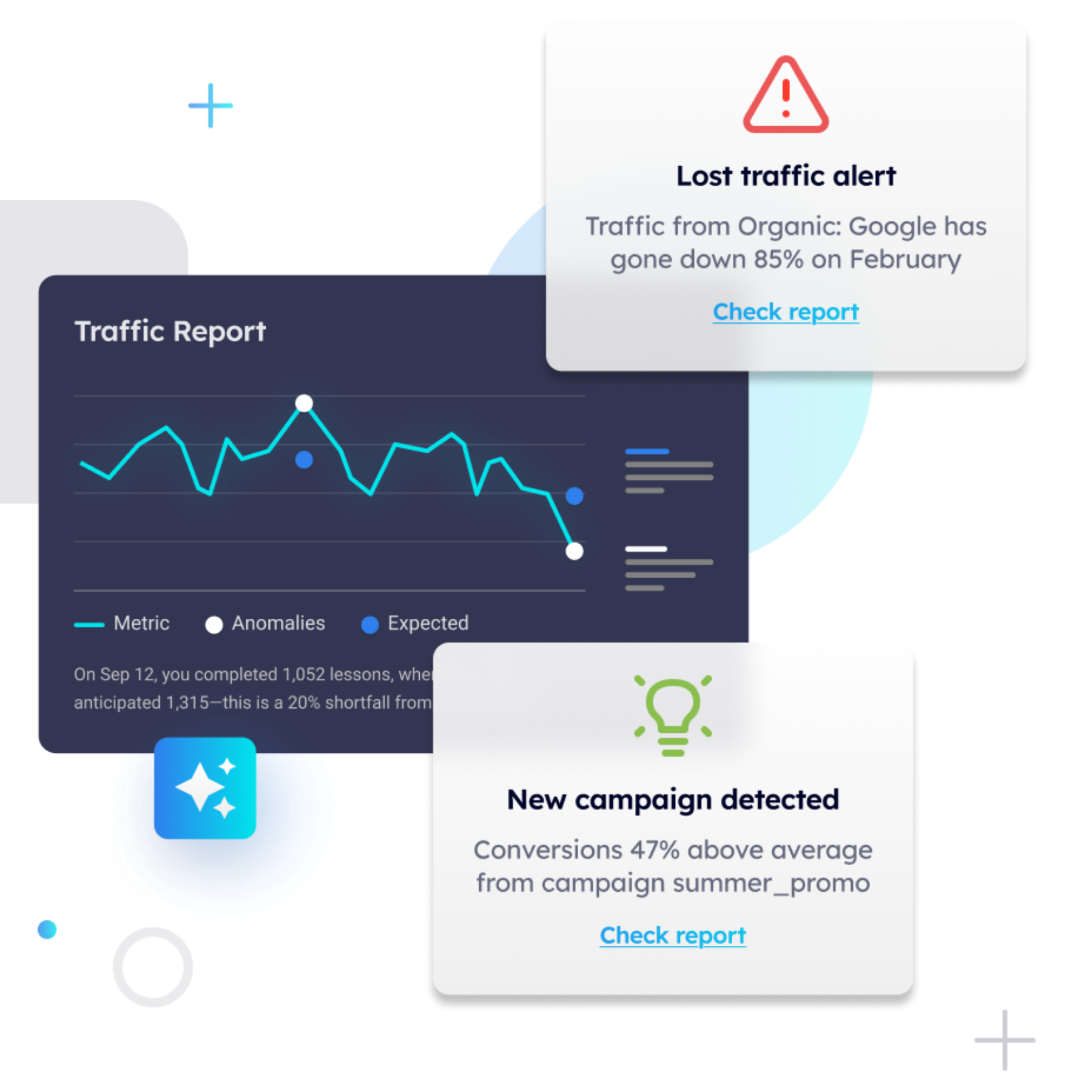
Get your website’s conversion score in minutes
- Instant CRO performance score
- Friction and intent issues detected automatically
- Free report with clear next steps
The wrong approach: pushing harder for the demo
When conversions slow down, the instinctive reaction is often to increase pressure. More demo CTAs, more urgency, more popups, MORE. It feels proactive. But in reality, this approach usually hurts both short-term performance and long-term brand equity.
Here’s how it typically shows up.
1. “Book a call” as the only CTA
If every page, every scroll depth, and every interaction leads to one single action, book a call, you’re assuming every visitor has the same intent. They don’t.
Many visitors are still defining their problem. Others are comparing vendors. Some are just validating whether your category even makes sense for them. When the only option presented is a sales conversation, it creates friction instead of momentum.
What happens next? They leave. Not because they’re not a fit, but because the timing is wrong.
Over time, this reduces conversion rates because you fail to nurture early and mid-stage visitors. Instead of progressing them through smaller commitments, you push them toward a decision they’re not ready to make. The result is lower engagement, fewer return visits, and a thinner pipeline in the future.
It also subtly signals that you care more about closing than helping.
2. Exit popups with discounts
Exit-intent popups offering discounts or incentives can feel like a clever last attempt to “save” the conversion, but they often send the wrong message.
First, they communicate desperation (and no one ever liked that). If someone hasn’t fully understood the value, a sudden discount doesn’t solve the underlying hesitation. It just reframes your product as negotiable.
Second, they train users to wait. If visitors learn that leaving triggers a better offer, they’ll hold back next time. You’re conditioning discount-seeking behavior instead of reinforcing value.
Over time, this erodes perceived pricing integrity and attracts lower-quality leads who are motivated by cost rather than fit. That impacts retention, expansion, and overall lifetime value.
3. Aggressive retargeting
Following visitors across the internet with the same “Book a demo now” message is another common reaction. Frequency increases, messaging becomes more urgent.
The problem is relevance.
If someone wasn’t ready on their first visit, repeating the same bottom-of-funnel message rarely changes their mindset. Instead, it creates fatigue. Worse, it can feel intrusive.
Aggressive retargeting increases short-term visibility but often damages brand perception. The brand shifts from “useful and insightful” to “pushy and everywhere.” When that happens, even highly relevant future messaging is filtered through irritation.
And brand irritation compounds. It lowers click-through rates, increases ad costs, and reduces the effectiveness of future campaigns.
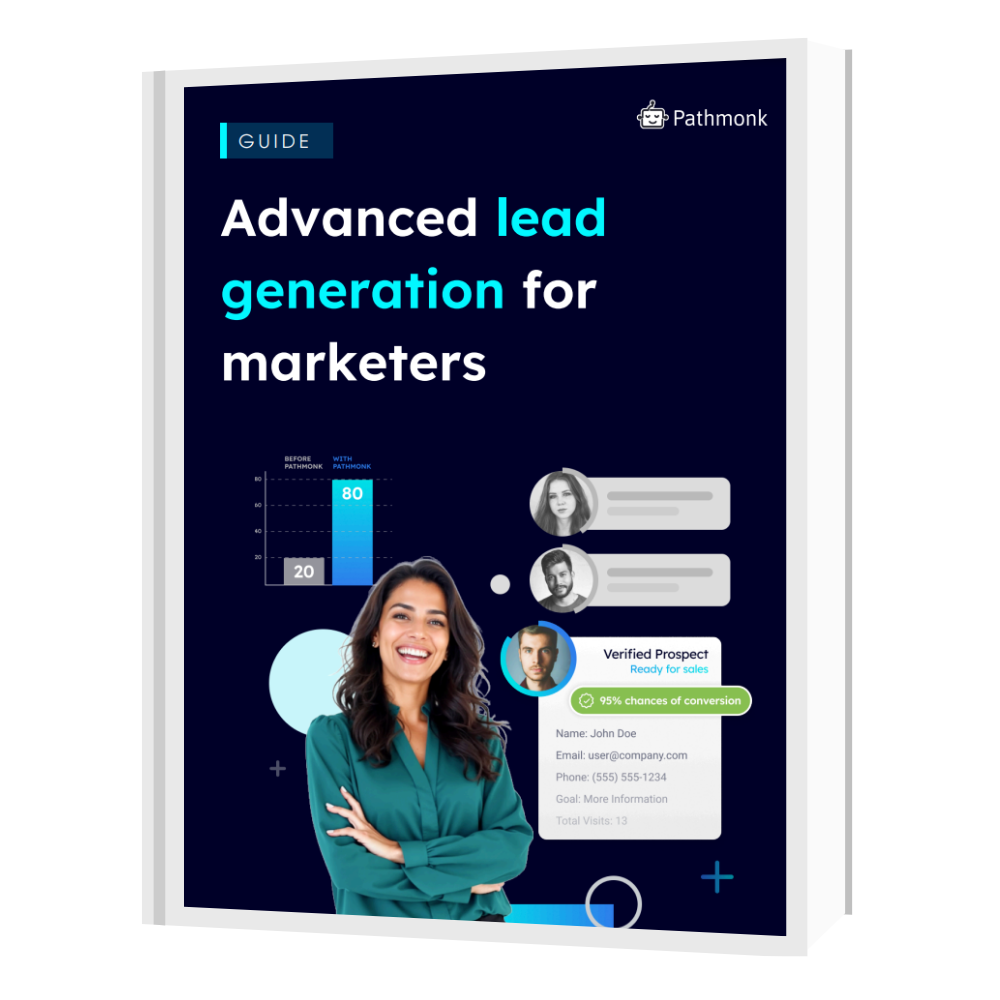
Turn website traffic into sales-ready leads
- Identify high-intent visitors automatically
- Qualify leads before they reach your sales team
- Convert traffic without adding friction or forms
Why this damages brand perception and reduces long-term conversion rates
Conversion is not a single moment. It’s a sequence of psychological steps: awareness, interest, evaluation, trust, and only then commitment.
When you collapse that sequence into one demand, book a call, you disrupt the natural buying journey. Instead of guiding, you pressure. Instead of educating, you accelerate. Instead of building trust, you trigger defense.
Short-term, you might squeeze out a few extra demos. But long-term, you shrink your addressable audience because you lose early-stage visitors who would have converted later with the right nurturing.
You also distort your funnel data. When only high-intent visitors convert, you miss opportunities to understand how to activate the rest. The pipeline becomes volatile and overly dependent on already-warm traffic.
How intent-based personalization changes this completely
The reality is that most websites are still built as static funnels. Everyone sees the same homepage, the same product pages, the same CTAs, regardless of whether they are casually exploring or actively evaluating vendors.
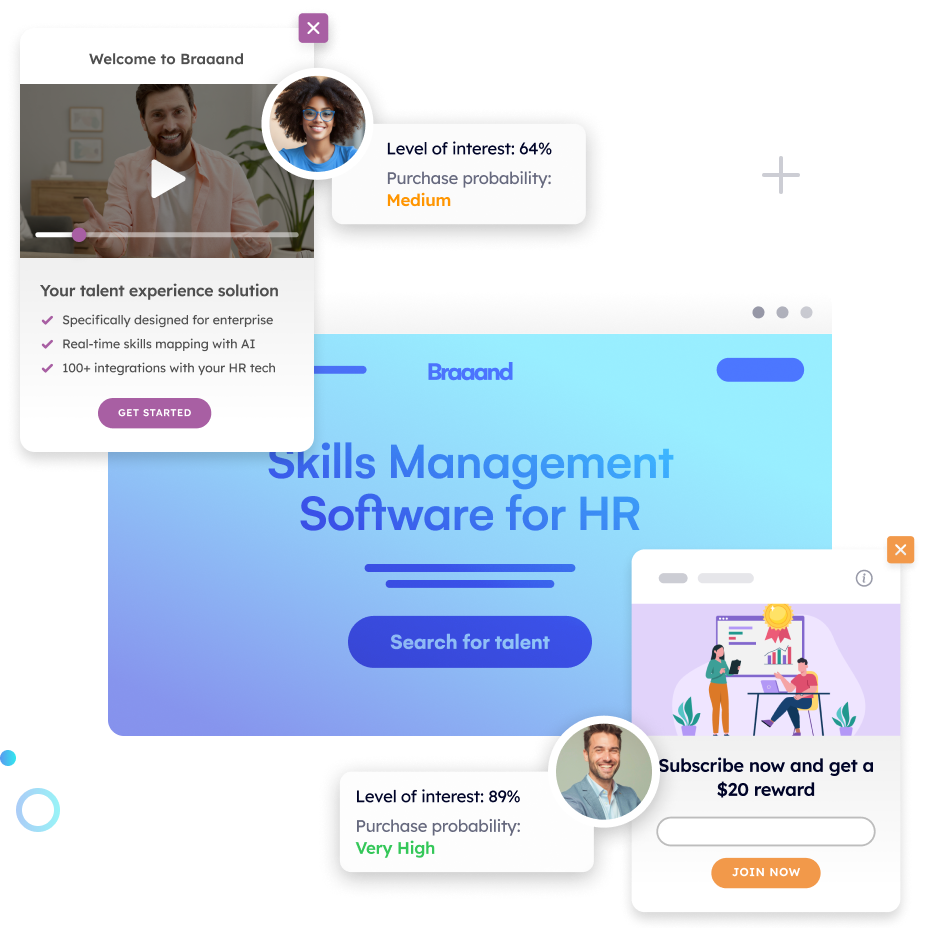
All this changes when you introduce one key element: intent. With AI you can now provide a personalized experience based on real-time intent prediction. Instead of optimizing only for traffic source or persona, the system evaluates how each individual behaves on the site and estimates how close they are to taking action.
This shifts the focus from “How do we get more demo bookings today?” to “How do we move each visitor forward based on their current intent?”
The impact is structural:
- Early-stage visitors are not pushed into premature sales conversations.
- Mid-stage visitors receive content that reduces uncertainty.
- High-intent visitors encounter fewer obstacles to conversion.
Over time, this approach turns “not ready” traffic into a nurtured pipeline. Visitors progress naturally instead of bouncing because the ask was too big for their stage.
The key difference is timing. AI allows the website to align messaging with readiness, which improves both conversion rates and overall brand perception.
How Pathmonk detects your visitors’ intent and optimizes automatically
An intent-based strategy requires two capabilities: detecting the buying stage and adapting the experience accordingly. Pathmonk enables both through behavioral analysis.
Instead of relying on static segmentation or manual rules, the system observes how visitors interact with the website. It analyzes patterns such as:
- Page depth and navigation paths
- Time spent and session duration
- Scroll behavior and click interactions
- Return frequency
- Engagement with high-intent pages like pricing or solution pages
These signals are combined to estimate buying intent. Based on interaction intensity and progression patterns, each visitor is categorized into a journey stage such as Awareness, Consideration, or Decision.
This classification is dynamic. If a visitor returns and engages more deeply, their stage updates automatically. The system does not rely on fixed thresholds; it recalculates intent continuously as behavior evolves.
Once the stage is identified, the website adapts through micro-experience personalization. This does not require rebuilding the site or creating separate funnels. Instead, specific elements adjust in real time, such as:
- The type of asset displayed
- The proof or content emphasized
- The timing of interaction prompts
An early-stage visitor might see educational or credibility-focused messaging. A later-stage visitor may see stronger conversion pathways or direct demo guidance.
Pathmonk’s AI predicts the most likely next action based on observed behavior and adjusts messaging automatically. This layer runs on top of the existing website, so it works without heavy development cycles or constant manual segmentation updates.
The result is a website that adapts to readiness instead of forcing uniform conversion pressure.
Increase +180% conversions from your website with AI
Get more conversions from your existing traffic by delivering personalized experiences in real time.
- Adapt your website to each visitor’s intent automatically
- Increase conversions without redesigns or dev work
- Turn anonymous traffic into revenue at scale
How Doctoralia increased B2B leads by 82% by aligning conversion with intent
Doctoralia is a global healthcare platform operating both B2C (patients) and B2B (clinics and healthcare providers) businesses across multiple countries. On the B2B side, their websites are designed to generate qualified demo requests from medical practices. While traffic was consistent, many visitors explored solution and pricing pages without converting. The issue wasn’t volume. It was that the website relied on a largely static demo-focused CTA, without adapting to different levels of buying intent.
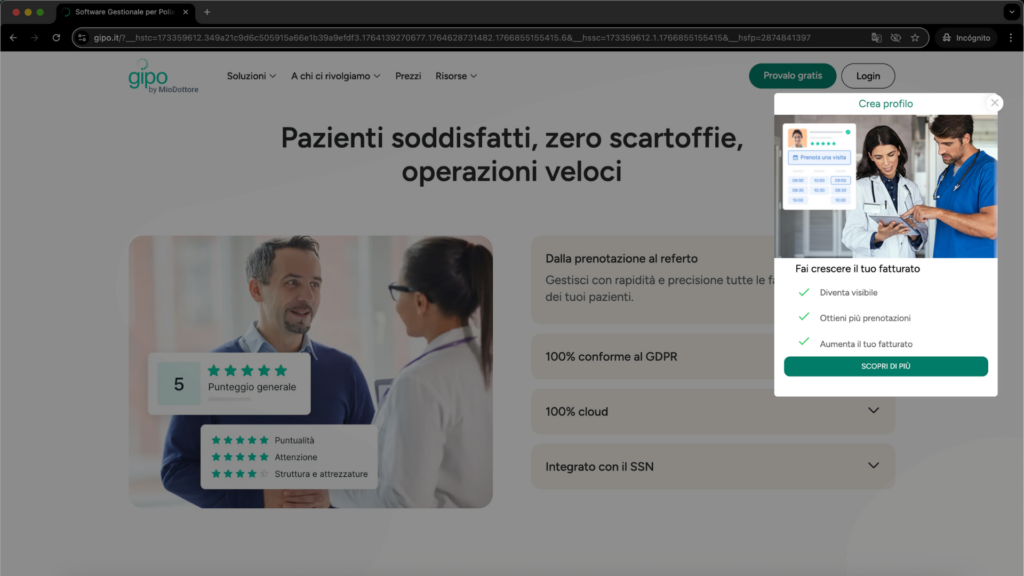
To improve performance, Doctoralia implemented an intent-based personalization layer across three B2B markets: Mexico, Colombia, and Italy. Instead of redesigning the site, they dynamically classified visitors based on behavioral signals such as page depth, engagement intensity, and return frequency. High-intent users were guided more directly toward the demo form, while lower-intent visitors were allowed to continue exploring without premature pressure.
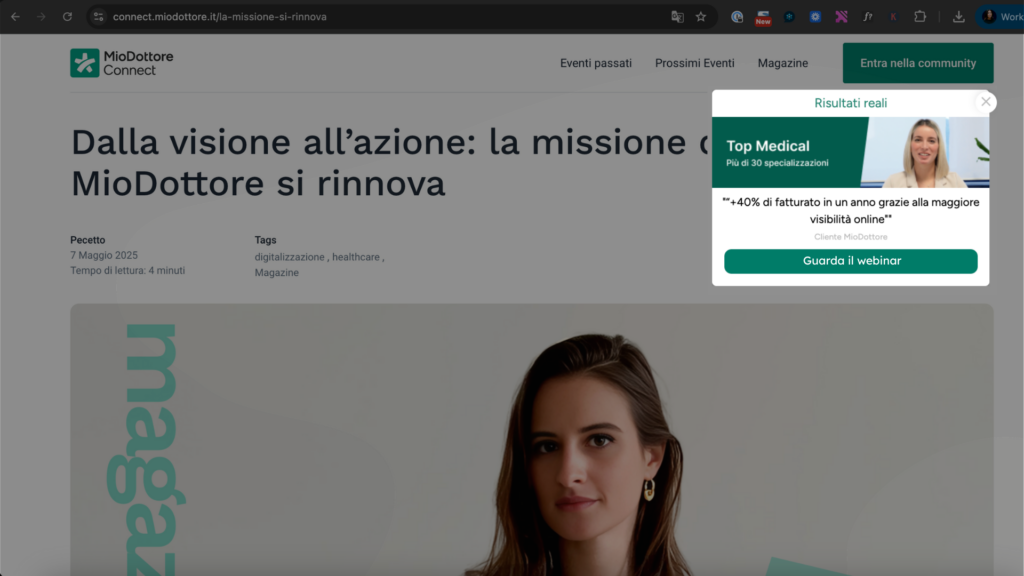
Traffic was split 50/50 between the standard experience and the personalized version to measure impact cleanly. Within 14 days, the personalized group generated an average +82% increase in qualified B2B leads (average calculated across the three markets), with no additional ad spend or structural website changes. Because both groups received identical traffic under the same conditions, the uplift was attributable to real-time intent detection and adaptive conversion guidance.
Following the pilot, Doctoralia expanded the approach into a multi-goal intent strategy, separating high-intent conversion pages from earlier-stage nurturing sections. This allowed them to capture sales-ready traffic more efficiently while building structured pipeline from visitors who were not yet ready to book a call.
FAQs on intent-guided conversions
1. How do you nurture B2B website visitors who aren’t sales-ready?
You nurture non-sales-ready visitors by offering progressive next steps instead of a demo. This can include industry-specific case studies, comparison guides, webinars, ROI calculators, or diagnostic tools. The goal is to reduce uncertainty and increase intent over time, not force immediate conversion.
2. What are signs that a visitor is warming up but not fully ready?
Visitors who are warming up often show repeat visits, deeper page navigation, longer sessions, or interaction with proof content, but avoid direct demo actions. They may explore pricing without filling a form. These behaviors suggest consideration-stage intent rather than immediate readiness.
3. Should you gate content for early-stage visitors?
It depends on intent. Gating high-value assets like detailed reports or webinars can work if the visitor already shows moderate engagement. For very early-stage traffic, excessive gating can increase friction and reduce trust. The key is matching the content format to intent level.
4. How long does it usually take for B2B visitors to become sales-ready?
In most B2B cycles, readiness develops over multiple sessions. Visitors may return several times before booking a call, especially if the solution requires internal approval. That’s why tracking behavior across sessions is more valuable than optimizing only for first-visit conversions.
5. What’s the risk of ignoring non-ready traffic?
Ignoring non-ready visitors reduces your future pipeline. If early- and mid-stage users leave without progression, you lose potential revenue that simply wasn’t mature yet. A static demo-only strategy captures existing demand but fails to build new demand.
6. Is intent-based personalization only useful for high-traffic websites?
No. While larger datasets accelerate learning, intent detection is based on individual behavioral signals, not just volume. Even moderate traffic websites can benefit from aligning CTAs with visitor readiness rather than treating all users identically.
7. What’s the difference between lead generation and intent qualification?
Lead generation focuses on capturing contact details. Intent qualification focuses on identifying how close someone is to taking action. An effective strategy combines both: capture leads when appropriate, but also continuously evaluate behavioral signals to prioritize high-intent visitors.
TL;DR: key takeaways
- Most website visitors are not ready to book a demo, especially in B2B where decisions require research, validation, and internal alignment before speaking to sales.
- Relying only on a “Book a call” CTA limits your conversions to the small percentage of traffic that is already decision-ready.
- Pushing harder with popups, discounts, or aggressive retargeting often increases friction and can weaken trust instead of accelerating action.
- Visitors move through different buying stages such as awareness, consideration, and decision, and each stage requires a different next step.
- A static website treats all visitors the same, even though their level of intent and readiness varies significantly.
- An intent-based conversion strategy uses behavioral signals like page depth, engagement, and return visits to estimate buying stage.
- AI-powered personalization allows the website to adjust messaging and CTAs in real time, reducing friction for high-intent users while nurturing earlier-stage visitors.
- The objective isn’t to force immediate demos, but to progressively move more visitors toward sales readiness and build a stronger, more predictable pipeline.