
Introduction
Nate Torvik from WIN Reality shares how lifecycle marketing really works inside a fast-growing sports technology company. As a self-described super IC, Nate explains balancing strategy with execution, from email automation and AB testing to segmentation and reporting. He discusses why reporting remains a major bottleneck for modern marketers and how limited resources force practitioners to be more cross-functional. Nate also reflects on remote collaboration, continuous learning, and drawing inspiration from outside marketing, including hospitality and customer experience.
The episode emphasizes focusing on emotional and behavioral impact rather than vanity metrics, and why early-career marketers should build broad, transferable skills before specializing. A grounded, practical conversation on doing meaningful marketing without bloated teams.


Increase +180% conversions from your website with AI
Get more conversions from your existing traffic by delivering personalized experiences in real time.
- Adapt your website to each visitor’s intent automatically
- Increase conversions without redesigns or dev work
- Turn anonymous traffic into revenue at scale
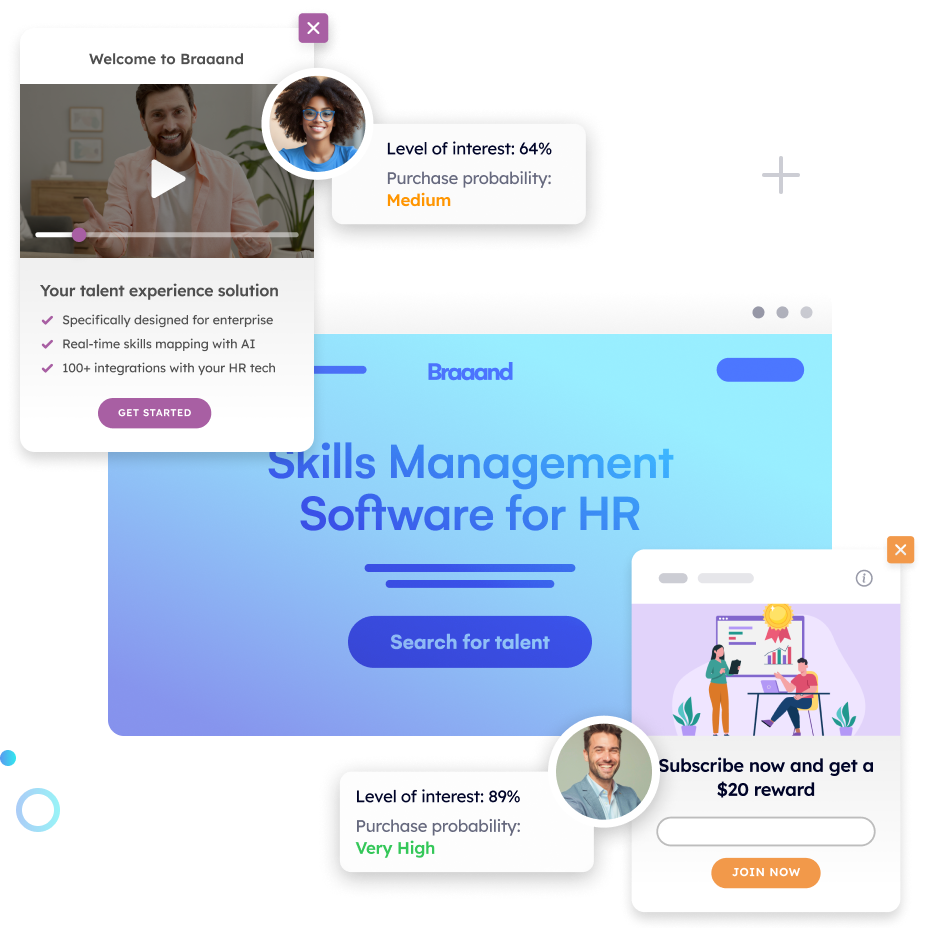
Rick: Pathmonk is the AI for website conversions. With increasing online competition, over 98% of website visitors don’t convert. The ability to successfully show your value proposition and support visitors in the buying journey separates you from the competition Online. Pathmonk qualifies and converts leads on your website by figuring out where they are in the buying journey and influencing them in key decision moments with relevant micro experiences like case studies in videos, and much more stay relevant to your visitors and increase conversions by 50%.
By adding Pathmonk to your website in seconds, letting the AI do all the work and increase conversions while you keep doing marketing as usual. Check us out on pathmonk.com. So it was,
Nate Torvik: yeah, what’s my day to day look like and what do I get excited about? I think was the second part of that, right?
Correct. Yep. Cool. yeah, so a lot of my day to day, especially in lifecycle marketing comes down to a lot, some block and tackle work. getting in. whether it’s AB testing results and, reporting stuff, whether it’s building new automations or emails, kind working on content and copy.
As I, think the term now is like a super ic, so somebody that does high level stuff and does strategy work, but also. Does the building, as opposed to the, having a team with content writers and designers and all that other fun stuff. So a lot of my day to day comes with that. And also, strategy work, which, I think is probably what gets most people excited in this kind of position.
not just doing the creation of the pieces. Working on a campaign this morning. just thinking through, what segments we want to talk to, the audience that we want to talk to and why, how we get that to work functionally. and how we can communicate the, like we talked, like we’ve talked about the, right to the right people at the right times with the right stuff.
what those paths look like and all that stuff. So I think that’s probably some more of the exciting pieces is the higher level strategy, just because I’ve been doing it for a while. so the, block and tackle work is one of those, you have to do it. So that’s not the exciting stuff, but thinking through what goes into the block and tackle is exciting.
And then I also think, working with, team members, and even in a ro, especially in a remote environment, I think it’s more important. To schedule times and find opportunities to work with other people. we’ve got our office is based in Austin, Texas. I’m located in Indianapolis, Indiana.
I don’t, I haven’t actually ever met my team in person, as of yet, so I’m, hoping to do that soon. But I, so creating those spaces to just talk to people and get to know them, work with them, collaborate on projects, check in on certain things. Even just asking how people’s days are and, figuring out those pieces, I think is also, a good part of my day.
I, enjoy that quite a bit and just connecting with people. I think that’s fairly normal. but I think it’s something that people take for granted often. Yeah, totally.
Rick: I would agree. we’re more and more, In a remote environment like all of us are, right? some of us have an hybrid kind of deal going, which I think is ideal to be honest.
Yeah. ’cause you still get that connection, right? Because, of course you haven’t met your teammates yet and, your colleagues and. there’s something when you actually are in the same room, especially when you talk about those strategy sessions, there’s some kind of energy, however you want to call it, right?
Yes. I think it’s essential that when you get together, things happen. so yeah, totally agree with you. yeah, go for it.
Nate Torvik: I was gonna say, I think, gone are the days of like old school whiteboarding sessions. right where you get a group together and you’ve got the, wall, length whiteboard where you’re writing out everything and working through problems and creating new strategies and ideas and stuff like that.
And now you can do all that stuff in a Figma board or something like that. And you are, or these different tools that you have a virtual whiteboard, so you’re on remote and you’re the, but it’s not that same feeling of having a marker in your hand and actually writing stuff out.
Underlining and drawing arrows and all that stuff and, reacting and working with people. So I, yeah, I totally agree with that.
Rick: My point.
Nate Torvik: Exactly. Yeah.
Rick: Nate, there’s, a flood of content out there, right? Yep. how do you stay focused and keep learning With that in mind, are there any places, people, routines that you turn to for, inspiration or, being able to keep up, with trends or, whatever, you use for learning.
Nate Torvik: So I think there’s obviously, industry or, market areas that you wanna focus on for your, whether it’s a specialty or not. I also think that there’s something to be said for just digesting content, books, whatever, in the professional space. right now the, i do audio books, when I can with driving and like I mentioned, my volleyball coaching and stuff like that.
Right now I’m listening to the book, unreasonable Hospitality by, will Judea. and it’s about, actually, it’s about him, and his restaurant that he built in New York City, and all of the different things that he did from a customer service experience to create a super special and unique area. and it has nothing to do with me working in lifecycle marketing for a baseball and sports technology company, but it does have a crossover effect with, user experience.
How we want to delight, make people, have people enjoy and take something away from that experience with your brand. Which is not, it’s not like I’m, hey, I’m reading stuff about lifecycle trends and or marketing trends necessarily.
But I just think if you find interesting content pieces, which I try to do, and I find stuff on LinkedIn or somebody posts about a book somewhere, something like that, from a professional development, I think it ends up making, making us better professionals as a whole, giving us different ideas from, completely different industries.
That, wouldn’t necessarily be a one-to-one relationship otherwise. Yeah,
Rick: that’s a great point. Especially that connection you made about, the hospitality bit and the ux. Yeah. So I have a background in ux, so you know, that really speaks to me and yeah, I think you’re the second person on this podcast that’s recommended or talked about that book.
Yeah. ’cause as soon as you said it, I was like. That rings a bell. I haven’t read it yet. So this is my, this is my signal that yet this is it, this is my queue. I need to, go and buy it. ’cause it’s, I think it’s a great mentality more than, even just the way of working to be, to go above and beyond, to go that extra mile.
And yeah, we commend it like a great book. Yeah, would recommend it. Nice, sweet. as you said, Nate, we’re in the back half of our episode here. if you don’t mind, I would love to jump into our rapid fire segment. It’s just a few questions to keep things light and engaging. Would you be good with that?
Yeah, let’s do it. All right, sweet. So if you had a, magic wand and you could fix one frustrating thing in your marketing life with tech, what would you pick?
Nate Torvik: Reporting. I think that there are a lot of CRMs that exist out there. there are a lot of tools that do a lot of stuff, and they’re very feature focused, especially in the lifecycle space.
I’ve always I love, I’ve been, I love HubSpot. I’m very familiar with customer io now and stuff like that. I think they create email tools and automation tools that are good. The reporting part is lacking usually. Salesforce, Pardot the same thing and Pardot is a whole different animal.
But that, would be a, thing for me is, a focus on, ease of reporting for people like myself who are those super ics who might not have, marketing operations team or individuals to help them find and pull all that stuff. that would be a big one for me.
Rick: Okay. That’s a good one. We’ll, send that out to HubSpot. hopefully they’ll listen, right? Yeah, that’ll be good. what’s one repetitive task that you love to put on autopilot forever?
Nate Torvik: Yeah, I enjoy AB testing, a lot ’cause I’d like to see the results of that. I think if we could, I think if there were better ways to automate that.
some of that also again, comes into the reporting aspect of it. I can see the AB testing in a platform, but for me to get it out of that platform and communicate that with other people, it’s difficult and end up creating a manual spreadsheet and doing some other stuff.
And I’m sure there are tools and other solutions for this, but you’re just adding more tools to your stack. It’s not really helping some of those things.
So I think, being able to, to ab tests, more rapidly and then get that feedback loop going, would be something that, that I would love to automate a little bit more.
There are some things that I’m trying to do you do with, whether it’s GBT or Google, Gemini, or any, of those. Trying to find ways to ab test a little faster and get some feedback loops going. and there, there are definitely some tools to be built in that space that I’m trying to figure out and work on.
Rick: Okay. That would be interesting to know your notes, maybe even after this. ’cause that’s an interesting one for sure.
okay, last one. Nate, if you could go back. go back in the past, give yourself a quick pep talk at the start of your marketing journey, hype yourself up or maybe, give yourself a word of advice. What would that be?
Nate Torvik: So I think for me, and I think I was able to get into this, eventually, but I think early, if we’re talking about year one, year two, do as many things as you can.
take on as many projects as you can. Find and learn as many skills as you can, to help you create whatever path it is that you want.
So I actually started my marketing journey in content creation and search engine optimization back when, you used to be able to cheat the system by doing press releases and a bunch of links, in in the mid to late two thousands, early two thousands.
I, but I think it was, I was very focused on, I really want to get good at SEO. this is something that I can do, I can make a career out of this, but SEO changes and the algorithms change and everything changes, and then you end up losing some of that.
And if you don’t allow yourself to learn and experience other parts, especially in the marketing space, I think you just miss out on opportunities for that professional growth and development.
Some maneuvering, some learnings that you can pick up across channels. That could actually help amplify the one channel that you want to focus on.
But learning in social media and paid ads and content creation and design elements and all those things, they all work together. and I think I see a lot of individuals now that are focused on video creation.
That’s what they want to do. Oh, I wanna go into social media. Oh, I want to be growth marketing. and they’re focused on those individual channels and that kind of.
T-shaped marketing person or the pie shaped marketing person where you’ve got a couple specialties is talked about a lot, but there are not a lot of people that actually do it.
Rick: That’s a, yeah, that’s a good point. that’s, I think that’s merit in specializing, of course. but as you said, maybe getting exposed to more facets of of marketing itself.
And early in the journey, it might help you, with learning more skills and being able to even speak to different stakeholders and, get your hands dirty with different projects, sounds and I think it’s good advice for, most of, most of the roles that, not just related to marketing even.
I think it’s, that’s a good approach in itself. yeah. Thanks for sharing that. Yeah, absolutely Nate. thanks a lot for being on the show with us today.
As we wrap things up, I want to give you the last word. If someone forgets everything about the interview today, what is the one thing that they should remember about the work you guys are doing?
Nate Torvik: I think if somebody forgets everything else, especially when it comes to win reality, focus on whatever you’re working on, focus on. What matters most to the customer? What matters most to your end user? and what those things, what those pieces are.
And it’s not productivity and it’s not saving time, and it’s not a batting average and it’s not right.
It is the emotional and behavioral components of it. and creating something unique and special for them through the product, through the features, whatever.
but really trying to focus on what matters most. To, to human beings, and not to a user. and, really going after that when you’re, approaching marketing, sales work in general,
Rick: I love that to care about how people feel when using your, product or service, that’s a really, a good base to start from.
yeah, that’s, great advice. I’m gonna leave it at that Nate, again. Thanks for your insights. thanks for, telling us a little bit, a bit about how you go about, approaching your work on a day-to-day.
And, of course that the super IC stuff is really interesting. most people actually marketing teams will actually do that a lot.
they don’t have dedicated teams for everything. I think that opens up, a lot of, Opportunities and possibilities for people like yourself to be able to then, go and do, maybe something on your own or, take a leadership role because you’ve worked on those things.
You’ve done it, you’ve been there, right? more, of that, the merrier. thanks for sharing that. Nate, again, thank you. thank you for being with us and, we’re in the, holiday season.
So have a Merry Christmas. this might come out after Christmas, actually, will, but. I wish you a wonderful holiday.
Nate Torvik: Yeah, have a great holiday. hopefully everybody stays warm. I know I’m not right now, but We’ll, we’re working on it. But yeah, have a great holiday. Thanks so much for having me. Amazing. Thanks Nate.